
September 03, 2026
Tokyo-1 Drug Discovery Hackathon 2026 Event Report
Two Days of Researchers Building Their Own Drug Discovery Workflows with AI Agents and GPUs
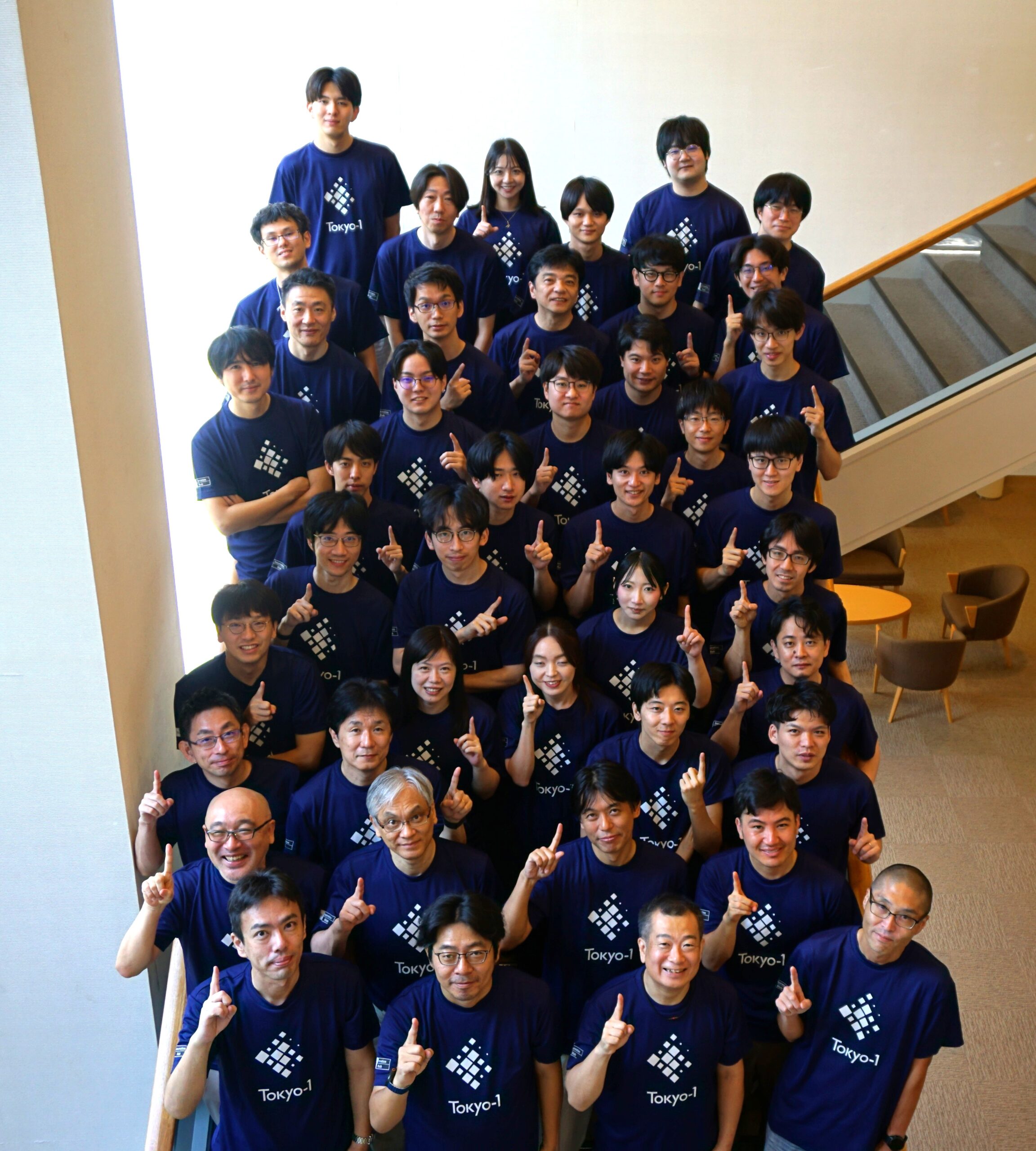
The Tokyo-1 Drug Discovery Hackathon 2026 was held over two days on Thursday, August 20 and Friday, August 21, 2026.
The event brought together participants from pharmaceutical companies, Xeureka Inc., and academia in the same venue and computing environment. Using vibe coding and AI agents, participants worked to build workflows aimed at addressing challenges in drug discovery research. Another distinctive feature of this year’s event was that, by making the use of AI coding agents an integral part of the program, the hackathon attracted many participants, including wet-lab researchers, who had not previously engaged in programming or large-scale computing in their day-to-day work.
Building on last year’s collaborative exploration of “GPU × AI × Drug Discovery,” this year’s hackathon featured two formats: a Research Track and two Build Tracks. Within a limited timeframe, participants brought together their knowledge across organizational and disciplinary boundaries and worked hands-on to develop reusable outputs and ideas for future collaborative exploration.
Event Overview
| Dates | Thursday, August 20 to Friday, August 21, 2026 |
|---|---|
| Venue | Training center in Yugawara |
| Participants | Four pharmaceutical companies, Xeureka Inc., academia, the secretariat, and observers |
| Theme | Collaborative development of workflows addressing drug discovery challenges through the use of vibe coding and AI agents |
| Computing Environment | A shared computing environment centered on Tokyo-1 H100 nodes |
| Tracks | One Research Track and two Build Tracks |
Day 1:Establishing a Shared Understanding and Tackling Challenges as Teams
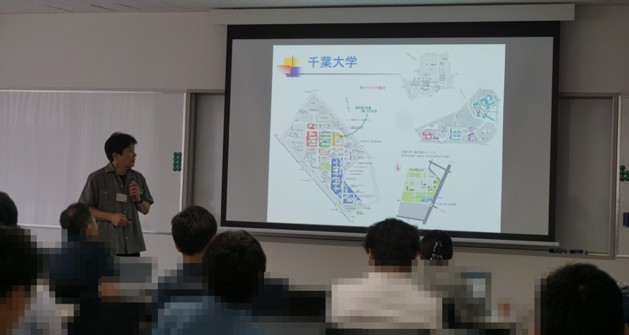
On the first day, participants reviewed the objectives and structure of the event as well as the Tokyo-1 computing environment before dividing into teams and beginning work on their respective challenges. With input and expertise from academic participants, the teams discussed how to translate research questions into computationally tractable problems and develop working workflows within a short period of time.
Three Challenge Topics
● Research Track:Structural prediction of antibody-antigen complexes and identification of epitopes and paratopes, as well as thermal stability ranking of scFv linker variants
● Build Track 1:Development of practical workflows using Evo 2
● Build Track 2:Development of workflows incorporating model training, primarily to address challenges in small-molecule drug discovery
In developing and implementing their approaches, the teams considered not only accuracy, but also practicality, generalizability, novelty, and reproducibility.
Throughout the event, participants with limited programming experience built workflows themselves with guidance from experts within their teams and support from AI coding agents. The shared computing environment allowed ideas to be tested immediately and discussions to be updated based on the results, creating an intensive and highly collaborative working process.
Day 2:Sharing Results and Connecting Them to Future Collaborative Work
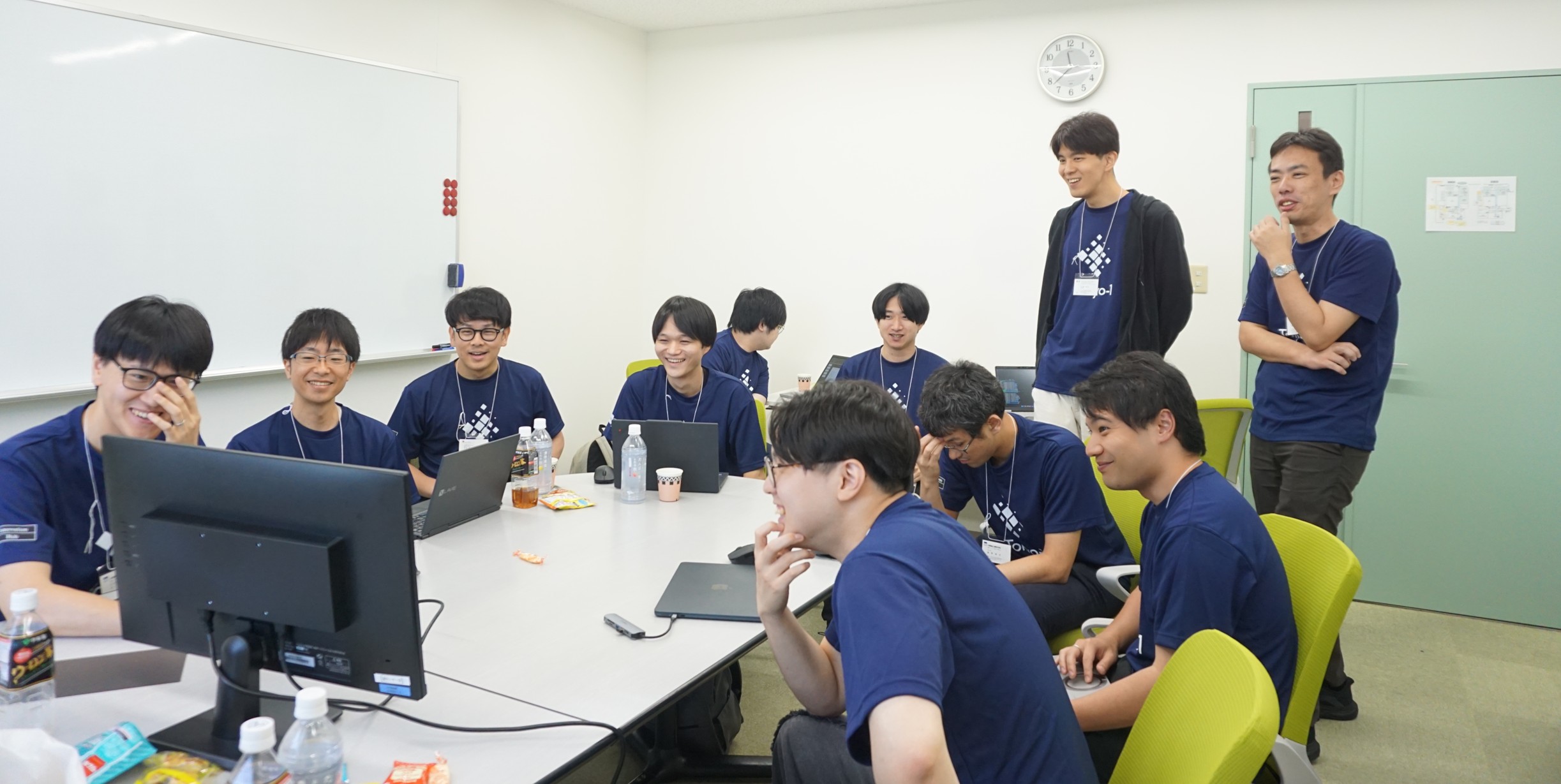
On the second day, the teams continued the exploration and implementation work they had begun the previous day, followed by demonstrations and presentations of their results. The Research Track teams presented the different approaches they had explored and their prediction accuracy. The Build Track teams focused primarily on practicality and novelty, sharing the distinctive features of their approaches and the insights they had gained.
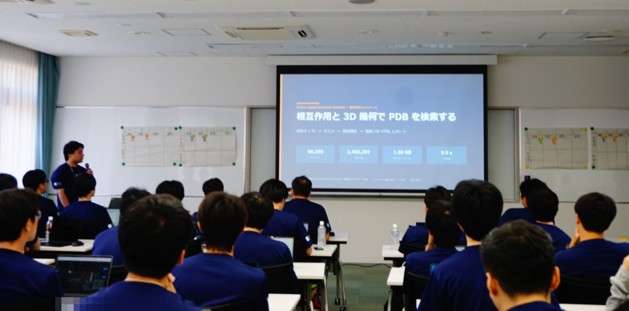
The presentations covered not only completed outputs, but also the process of trial and error, aspects that had not worked as intended, and questions requiring further investigation. To ensure that the results of this intensive two-day effort do not end as a one-off initiative, the outputs will be organized in a form that can be referenced across the Tokyo-1 community and applied to future SWG topics and day-to-day research activities.
Gaining Confidence That “I Can Build It Myself”
The participants responsible for implementation were not limited to experts in computational science. Through the vibe-coding cycle of describing the desired process to an AI coding agent, testing the code it generated, and asking the agent to revise the code when it did not work as intended, participants who had not routinely worked with large-scale computing environments, including wet-lab researchers, progressed to the point of building their own workflows in a GPU computing environment.
Of course, the participants did not achieve everything entirely on their own. The results were made possible through support from experts within each team, the secretariat, and AI agents. Even so, enabling participants to leave the event with the confidence that they could build workflows using large-scale computing resources themselves was as important an outcome as the outputs created during the hackathon. We believe this experience will serve as a starting point for their continued use of AI agents in day-to-day research.
Co-Creation in the Tokyo-1 Community
In addition to providing computing resources and solutions, Tokyo-1 places strong emphasis on building a community in which participants share knowledge and conduct collaborative evaluations across organizational boundaries. This hackathon provided an opportunity for participants to work together in the same location and computing environment while putting the community’s principle of “Participate, teach and help each other” into practice.
Advances in AI agents and foundation models are bringing significant changes to workflows in drug discovery research. The people developing and using these workflows are also no longer limited to computational science specialists. The hackathon gave participants an opportunity to experience this change firsthand.
Tokyo-1 will continue to promote activities that go beyond introducing new technologies by applying them to real-world research challenges, testing them in practice, sharing both results and challenges, and carrying the lessons learned forward into future initiatives.